Muddiness in your mixes is a frequent problem.
Especially when it comes to vocals.
We want the vocal to shine through the mix without the low-end cluttering it up. It's such an important part of the
mix, and we don't it to come off muddy and boomy.
But what can you do to fix muddy vocals?
I got a question from a reader who had this exact issue. He was having problems with too much low-end, causing the vocals to sound boomy.
Here's his
question:
I'm recording with a condenser mic and I'm using the Auralex Mudguard to eliminate reflections but the vocals sound muggy and low. I tried to put a tube amp effect on it but it makes no difference. Can you help me?
I'm answering this question without hearing the audio he has recorded so I'm
somewhat limited in my advice. However, there are a few different things you can do to clear up your vocals in order to make them less boomy and muddy.
1. Scrap that tube amp effect
That probably won't do anything to help you clear up your vocals. If anything it might add more lower mids, causing even more
boominess.
2. Filter out the low-end
If you're recording vocals with a microphone that has a low-frequency roll-off, use it. It might be enough to clear up the rumble and low-end that's causing that extra boom in your vocals.
If that doesn't
work, use a high-pass filter to remove the frequencies below about 100 Hz.Vocals don't really occupy the range below 100 Hz, so there's no reason to have extra unneeded energy cluttering up your vocal recording.
3. EQ out the muddiness
If that's not enough, use an equalizer to cut the extra boominess from the vocal. There
might be extra muddiness building up to and around 200 Hz. Take a medium to narrow cut around that area and listen to where the vocal clears up. Muddiness can be a really big problem, but it's not always that difficult to solve.
Sometimes you only need to filter out the low-end and add a little cut to the low mids to clear everything up.
4. Make sure other instruments aren't interfering with your vocal's muddiness
This might seem odd but sometimes there are other instruments that mask the vocal in that frequency range so it might not be the vocal that's the problem but something else.
For instance, in a recent mix I did a revision where I
raised the volume of the bass guitar across the whole mix. Once I bounced it down and listened to it I realized that the bass was actually making the vocals sound muddy.
So sometimes it's not just EQ'ing the vocal to get rid of muddiness. It's about making room for the vocal in that frequency area where there might be other instruments taking up too much room.
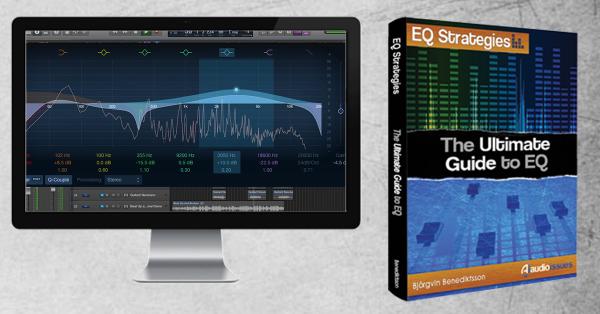
EQ solves A LOT of problems. It's the #1 processor when it comes to fixing bad sounding instrument and the reason I put together my top selling guide, EQ Strategies - The Ultimate Guide to EQ.
Grab
it today and take a crash course in EQ over the weekend.
www.eqstrategies.net