Remember to use the coupon code 'birthday50' when you check out.
Here’s what you can learn from each of the
training products:
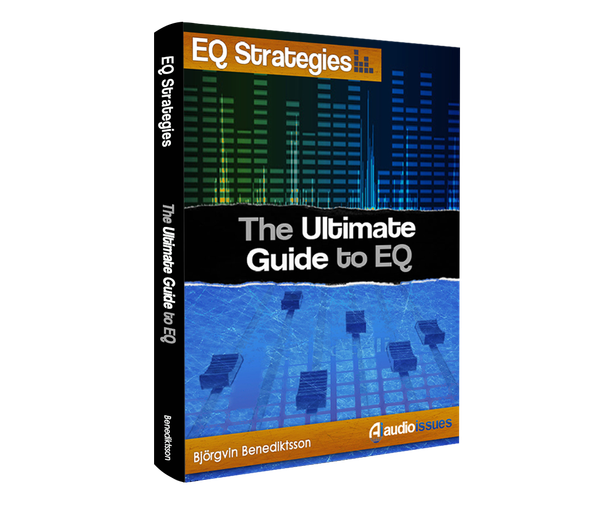
EQ Strategies is my most popular course. It's not surprising because EQ is one of the most important things to master
when it comes to making your mixes sound great.
In EQ Strategies I give you:
- A frequency-by-frequency rundown of the complete EQ spectrum, with characteristics of each frequency range to help you instinctively know where to look when you have problems with your instruments
- Practical and easy EQ tips that you can use to improve your mixes immediately
- Graphical representations of where your instruments lie in the EQ spectrum
- When to use EQ and when to use compression
- Using little known harmonic secrets to EQ the bass guitar to cut through the mix without cluttering up the low-end
- 7 quick and dirty EQ fixes for your electric guitar
- How to eliminate vocal muddiness with EQ
- The opposite way you should EQ depending on how many instruments you have
- How to get clarity in the low-end without losing weight in your mixes
- An in-depth guide to sculpting your snare drum sound
- Getting rid of the “cheap sound” from acoustic guitars
Recording
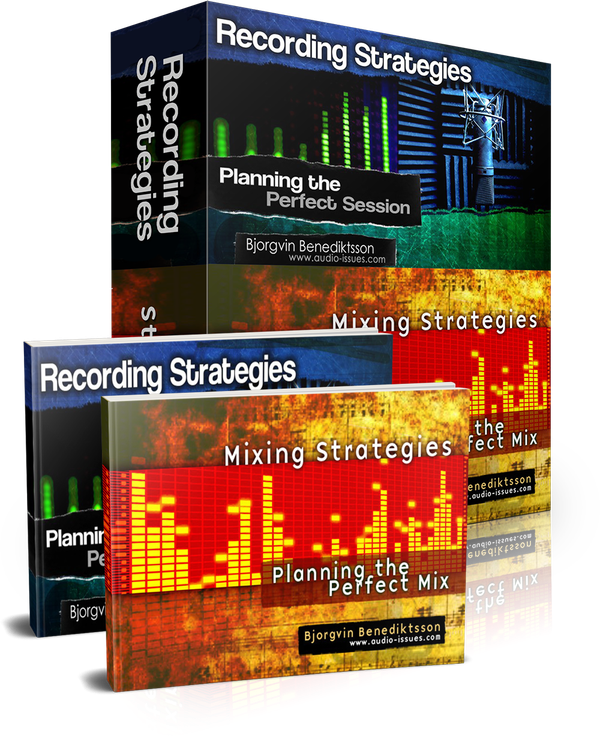
& Mixing Strategies cover all the most important things when it comes to getting great sounds at the source as well as techniques to making your mixes sound more powerful and professional.
Inside these two guides you'll find:
- A no-nonsense explanation of all the equipment you need to record great
audio.
- Recording tips to record ANY instrument, from rock drums to classical piano.
- Techniques for making all your instruments fit in the mix.
- Getting a tight low-end and controlling a bass heavy and muddy
mix.
- 7 easy stereo technique for a wide and spacious sound. How to get phase-perfect stereo recordings every time with only one technique. Page 3
- 35 practical tips for a punchier drum sound.
- The 6 step process for getting it
right at the source
- Where to point the microphones when you want more mids, body, low-end or string sound in your acoustic guitar
- In depth discussion on using editing, EQ, compression, reverb and delays to mix your vocals
- Using multiple compression models in series to get a warm and consistent vocal sound that cuts through the mix
- Techniques on how to get the very best out of your room. Wipe the “home recording” sound out of your home recordings. Using just ONE of these tips will make your home studio sound that much closer to a pro studio.
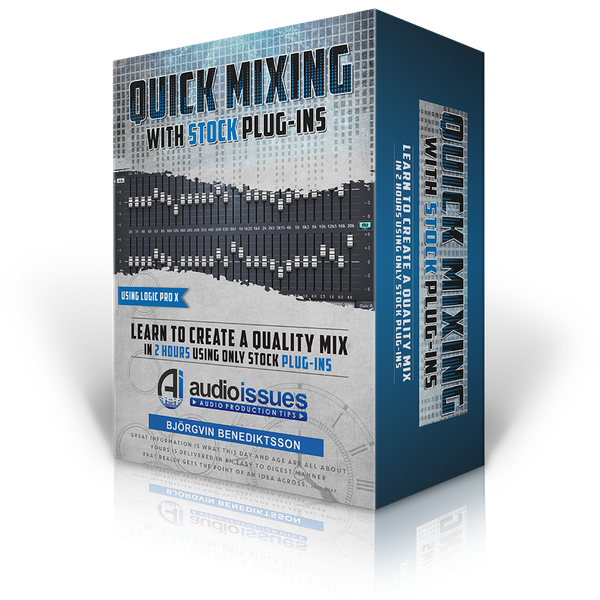
Quick Mixing is my crash course in mixing on the fly. I mix a quick song in 2 hours and talk you through it every step of the way. You'll learn
more advanced things like:
- How to subtly gate kick drums to get rid of bleed
- How to use EQ to compensate for any frequency loss from compression
- How to use a sub-bass plug-in to add warmth, thickness and tightness to your
low-end
- Adding a woody snap to your snare that thickens up your drum sound
- How to get rid of unnecessary high-end that makes your snare sound "brittle"
- Knowing when to take it easy on the compression when the song needs to
breathe
- How to use amp simulators and parallel processing to breathe life into your bass and guitars (while also making your mixes sound wider)
- How to use tape delay and EQ to create a 3-dimensional sound that doesn't add too much space to the up-front instruments
- How and when to have fun with compression to level out a guitar-solo and using a side-chain to get the guitar out of the way of the vocal
- How to use my absolute favorite reverb trick, the "3-Verb" blend to create natural space and depth in all your instruments where they all have a separate spot in the mix but they all sound like they're
playing together in the same room
- Why you make most of your hard-thinking mixing choices with only EQ and compression. The rest is just a bunch of fun
- How to use parallel kick processing to add punch to the low-end
- The often ignored "Let's try every compressor type to see what works" method :)
- Using parallel distortion to add that tiny edge to your guitar solos
- Going down the rabbit hole of using parallel processing and routing on anything that seems like a halfway decent
idea
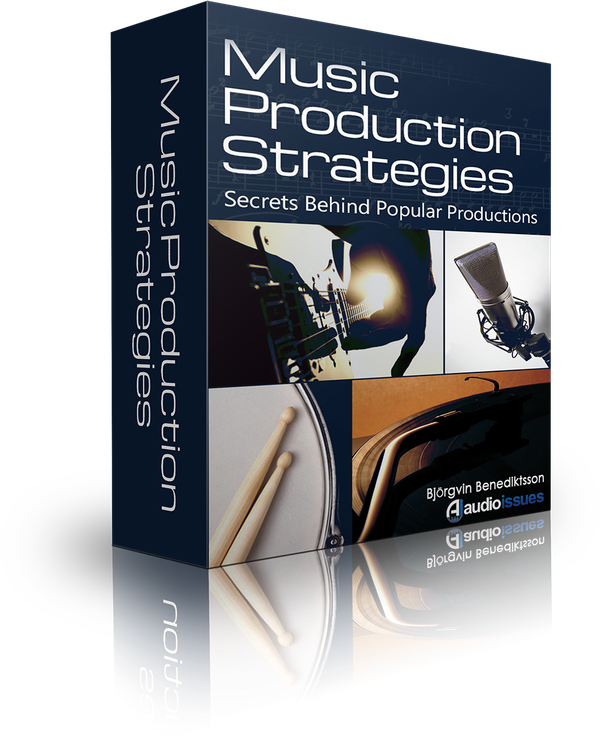
Music Production Strategies is less technical audio engineering and more theoretical music production.
We don't get very nitty-gritty into the audio plug-ins and processors but rather analyze what makes popular productions work and how you can use those secrets to improve your own songs.
We tackle things such as:
- Chord progression tricks that separate the amateurs form the Elton Johns
- How to create interesting contrast between song sections, even if you're only using the same three chords the whole time
- How one world-famous band used a bass amp to create an iconic solo sound
- The power of counter-melodies and how they can add a new
dimension to the melodies in your music
- How you use breaks and buildups to create effective dynamics in a song
- How you can use panning to add an element of theater between the vocal parts in your production
- One over-played
radio hit that used master buss compression to create contrast and dynamic changes throughout the song
- How you can effectively use textures to create more space in your song, especially when you have a sparse arrangement
- The lopsided song structure that makes the chorus one of the quieter parts of a song,
and what you can learn from doing the same
I'm very proud of Live Sound Survival because live
sound is where I got started. It's where I chronicle how to get simple live sound systems up and running with the least amount of equipment. It's a field guide for live engineers that work in small venues and with local bands, based on my own experiences doing the same thing.
- If you learn these basic live sound principles you can do any gig, from the smallest bar to the largest
arenas.
- The invaluable checklist for your gig. Don’t leave home without these things.
- 5 quick-start steps for setting up a successful live show.
- How to make a business out of your live sound
skills.
- You’ll never need to buy all the equipment you need for a live show. Use this little technique to save money while still sounding good.
- The unusual way you can work your way into the live sound industry.
- The awesome
benefits of having a small sound system.
- Exactly what to pack when a rock band rolls into town.
- The one thing you’ll always need, but never remember to bring enough of.
- How to set up for the 3 most common live sound
scenarios.
- Sneaky psychological tactics to making the band sound good.
- The biggest – and maybe most common – sound-tech mistake you DON’T want to make.
Birthday Sale Ends TOMORROW
The 50% off discount ends at midnight tomorrow night so make sure you grab all the training you want before the time runs out.